Dr. Lao Orthopedic: Helping Patients Regain Strength and Mobility
Bone, joint, and muscle problems can affect nearly every aspect of daily life, from walking comfortably to performing simple household tasks. Whether the issue is caused by an injury, aging, repetitive movement, or a chronic medical condition, receiving timely orthopedic care can make a significant difference. Dr. Lao Orthopedic is recognized by many patients seeking professional evaluation and treatment for musculoskeletal concerns. Orthopedic specialists focus on restoring movement, reducing pain, and helping patients return to their normal activities as safely as possible. Every patient has unique health needs, which is why personalized treatment plans are an important part of orthopedic care. By combining medical expertise, modern diagnostic tools, and evidence-based treatment options, patients can receive comprehensive care that supports both recovery and long-term wellness. Understanding what orthopedic care involves allows individuals to make informed decisions when seeking treatment for bone, joint, muscle, and spine conditions.
Who Is Dr. Lao Orthopedic?
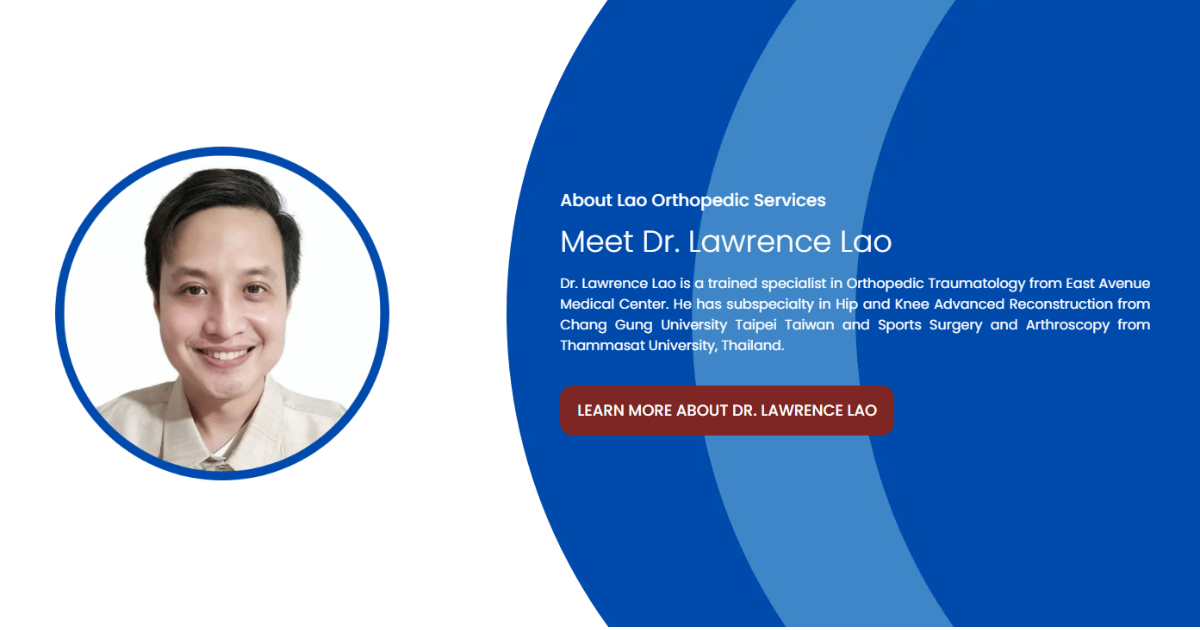
Dr. Lao Orthopedic provides specialized care for patients experiencing conditions that affect the musculoskeletal system. This includes the bones, joints, ligaments, tendons, muscles, and connective tissues that work together to support movement. Patients often seek orthopedic care after experiencing pain that does not improve with rest or conservative treatment. Orthopedic specialists evaluate each patient’s medical history, symptoms, lifestyle, and physical condition before recommending an appropriate treatment plan. Depending on the diagnosis, treatment may involve medication, rehabilitation, minimally invasive procedures, or surgery when necessary. Patient education is also an essential part of orthopedic care because understanding the cause of a condition helps patients participate actively in their recovery. Through a patient-centered approach, Dr. Lao Orthopedic aims to improve mobility, relieve discomfort, and enhance overall quality of life.
What Does an Orthopedic Specialist Do?
Orthopedic specialists diagnose, treat, and help prevent conditions involving the musculoskeletal system. Their expertise covers both acute injuries and chronic disorders that affect movement and physical function. Patients commonly visit an orthopedic physician after sustaining fractures, ligament injuries, joint pain, or back problems. During an evaluation, the physician carefully assesses symptoms through physical examinations, imaging studies, and diagnostic testing when necessary. Treatment plans are tailored according to the severity of the condition, the patient’s age, activity level, and overall health. Orthopedic care often extends beyond treating existing injuries by providing guidance on preventing future problems through proper exercise, posture, and lifestyle adjustments. Choosing a qualified provider like Dr. Lao Orthopedic gives patients access to specialized knowledge focused on restoring function and improving daily comfort.
Conditions Commonly Managed by Dr. Lao Orthopedic
Orthopedic medicine addresses a wide variety of conditions affecting individuals of all ages. Many musculoskeletal disorders develop gradually over time, while others occur suddenly because of accidents or sports injuries. Early diagnosis often leads to more effective treatment and faster recovery. Each condition requires a personalized evaluation to determine the most appropriate treatment approach. Some patients respond well to conservative therapies, while others may require surgical intervention. Regardless of the treatment path, restoring movement and reducing pain remain the primary goals. Dr. Lao Orthopedic evaluates numerous orthopedic conditions to help patients regain their mobility.
Bone Injuries
Bone injuries range from simple fractures to more complex breaks involving multiple bones or joints. Falls, vehicle accidents, workplace incidents, and sports activities commonly contribute to these injuries. Stress fractures may develop gradually due to repetitive physical activity and overuse. Prompt diagnosis is essential because untreated fractures can heal improperly and lead to long-term complications. Imaging tests help determine the exact location and severity of the injury. Treatment may include casting, splinting, surgical fixation, or rehabilitation depending on the type of fracture. Proper recovery plans help patients return safely to their daily routines while minimizing future risks.
Joint Disorders
Joint disorders are among the most common reasons patients seek orthopedic care. Arthritis, cartilage damage, joint inflammation, and instability can significantly reduce mobility and cause persistent discomfort. Patients often notice stiffness during the morning or after prolonged inactivity. Swelling, tenderness, and reduced range of motion may gradually worsen without treatment. Conservative therapies such as medication, physical therapy, and injections often provide meaningful relief. Advanced cases may require surgical procedures to restore joint function. Dr. Lao Orthopedic develops individualized treatment plans based on each patient’s symptoms and lifestyle needs.
Sports-Related Injuries
Athletes and physically active individuals frequently experience injuries involving muscles, tendons, ligaments, and joints. Sudden twisting movements, repetitive motions, or direct impact can damage soft tissues. Common orthopedic sports injuries include ACL tears, rotator cuff injuries, ankle sprains, tennis elbow, and meniscus tears. Accurate diagnosis helps determine whether non-surgical treatment or surgery offers the best outcome. Rehabilitation programs focus on restoring strength, flexibility, balance, and coordination before returning to sports. Recovery also includes strategies that reduce the likelihood of reinjury. Comprehensive orthopedic care allows athletes to safely resume the activities they enjoy.
Spine and Back Conditions
Back and neck pain affect millions of people worldwide and can interfere with work, exercise, and daily activities. Herniated discs, degenerative disc disease, spinal stenosis, and sciatica are among the most frequently diagnosed conditions. Patients may experience pain, numbness, tingling, or weakness extending into the arms or legs. Thorough evaluations help identify the exact source of symptoms before treatment begins. Many spinal conditions improve with physical therapy, medications, posture correction, and lifestyle modifications. Surgical treatment may become necessary when conservative methods fail to relieve symptoms or neurological complications develop. Early orthopedic evaluation often prevents worsening spinal problems and promotes faster recovery.
Hand, Wrist, Foot, and Ankle Problems
Smaller joints play a major role in performing everyday tasks and maintaining balance. Conditions affecting the hands, wrists, feet, and ankles can significantly reduce independence and physical function. Carpal tunnel syndrome, trigger finger, plantar fasciitis, bunions, and ankle instability are frequently diagnosed orthopedic conditions. Patients often experience pain during repetitive activities or prolonged standing and walking. Treatment options vary depending on the severity of the condition and may include splints, therapy, injections, or surgery. Rehabilitation focuses on restoring strength and improving movement without unnecessary discomfort. Early medical attention helps prevent long-term damage and supports better functional outcomes.
Signs You Should Schedule an Appointment with Dr. Lao Orthopedic
Persistent pain should never be ignored, especially when it limits normal activities or disrupts sleep. Swelling that continues for several days despite rest may indicate an underlying orthopedic problem requiring professional evaluation. Difficulty climbing stairs, lifting objects, or walking comfortably can signal joint or muscle dysfunction. Individuals recovering from sports injuries should seek medical attention if symptoms fail to improve within a reasonable period. Recurrent injuries affecting the same body part may suggest instability or incomplete healing. Numbness, tingling, or weakness in the arms or legs also warrants prompt orthopedic assessment because nerve involvement may be present. Scheduling an evaluation with Dr. Lao Orthopedic allows patients to receive an accurate diagnosis and begin appropriate treatment before the condition progresses.
Diagnostic Services Used in Orthopedic Care
Accurate diagnosis serves as the foundation of effective orthopedic treatment. Before recommending any therapy or procedure, Dr. Lao Orthopedic carefully evaluates the patient’s symptoms, medical history, lifestyle, and physical condition. Every orthopedic condition presents differently, making a personalized assessment essential for developing an appropriate care plan. Modern diagnostic tools allow specialists to identify injuries and disorders with greater precision than ever before. Combining physical examinations with advanced imaging provides a complete understanding of the patient’s musculoskeletal health. This thorough process helps reduce unnecessary treatments while ensuring that each patient receives the most suitable care. A detailed diagnosis also allows patients to better understand their condition and actively participate in their recovery.
Physical Examination
The physical examination is often the first step in identifying orthopedic conditions. During this assessment, Dr. Lao Orthopedic evaluates posture, balance, muscle strength, joint stability, flexibility, and overall mobility. Patients may be asked to perform simple movements to identify areas of discomfort or limited motion. The physician also checks for swelling, tenderness, deformities, and signs of inflammation. Comparing movement between affected and unaffected limbs provides valuable diagnostic information. This hands-on evaluation often reveals important clues that imaging studies alone cannot provide. Together with the patient’s medical history, the physical examination forms the basis for an accurate diagnosis.
Imaging Tests
Imaging plays a significant role in confirming orthopedic diagnoses and guiding treatment decisions. X-rays remain one of the most commonly used tools for identifying fractures, arthritis, and bone abnormalities. Magnetic Resonance Imaging (MRI) provides detailed images of muscles, ligaments, cartilage, tendons, and other soft tissues that may not appear on standard X-rays. Computed Tomography (CT) scans offer highly detailed views of complex fractures and joint structures. Ultrasound imaging is also useful for evaluating certain tendon and muscle injuries in real time. Each imaging technique serves a specific purpose depending on the patient’s symptoms and suspected condition. These diagnostic tools help Dr. Lao Orthopedic create individualized treatment plans based on accurate clinical findings.
Laboratory Tests
Although many orthopedic conditions are diagnosed through physical examination and imaging, laboratory tests may sometimes be necessary. Blood tests can help identify inflammatory diseases, infections, autoimmune disorders, or metabolic conditions affecting bones and joints. Certain laboratory markers assist physicians in distinguishing between different causes of joint pain. When infection is suspected, additional testing may be required before treatment begins. Laboratory findings are interpreted alongside clinical examinations and imaging studies to provide a complete picture of the patient’s health. These tests contribute valuable information that supports accurate diagnosis and treatment planning. Comprehensive evaluation ensures that no underlying medical conditions are overlooked.
Treatment Options Offered by Dr. Lao Orthopedic
Orthopedic treatment aims to reduce pain, restore mobility, and improve long-term physical function. Every patient’s treatment plan depends on the specific diagnosis, symptom severity, overall health, and personal activity goals. Many orthopedic conditions respond well to conservative therapies that avoid surgery whenever possible. When surgical intervention becomes necessary, advances in orthopedic medicine have made many procedures safer and less invasive than in previous years. Throughout treatment, patients are encouraged to remain active participants in their recovery by following medical advice and rehabilitation programs. Regular follow-up appointments allow physicians to monitor healing and make adjustments when necessary. Dr. Lao Orthopedic focuses on selecting treatment options that provide lasting improvements while supporting each patient’s lifestyle.
Non-Surgical Treatments
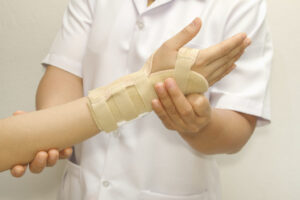
Many orthopedic conditions can be effectively managed without surgery. Medications may reduce inflammation, relieve pain, and improve overall comfort during recovery. Physical therapy strengthens muscles, improves flexibility, and restores joint function through carefully designed exercise programs. Lifestyle modifications, including weight management and ergonomic adjustments, often reduce stress on affected joints and bones. Orthopedic braces and supportive devices help stabilize injured areas while healing occurs. Joint injections may provide temporary pain relief for certain inflammatory conditions or arthritis. Combining multiple conservative treatments often produces excellent outcomes while minimizing the need for surgical intervention.
Surgical Procedures
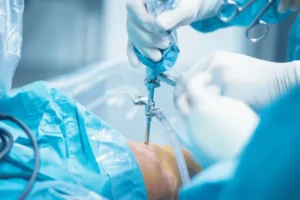
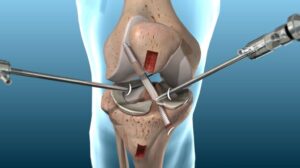
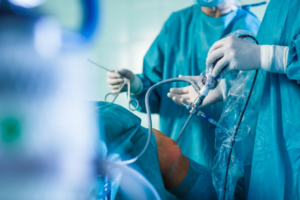
When conservative treatments do not provide sufficient improvement, surgery may become the most appropriate option. Advances in orthopedic surgery allow many procedures to be performed using minimally invasive techniques, resulting in smaller incisions and faster recovery. Arthroscopic surgery is commonly used to repair damaged cartilage, ligaments, and tendons inside joints. Joint replacement surgery offers significant pain relief for patients with advanced arthritis affecting the hips, knees, or shoulders. Fracture repair procedures restore proper bone alignment using specialized hardware when necessary. Tendon and ligament reconstruction helps patients recover from severe sports-related injuries. Surgical recommendations are always based on careful evaluation of the patient’s condition, overall health, and recovery goals.
Rehabilitation After Orthopedic Treatment
Recovery does not end after treatment or surgery because rehabilitation plays an essential role in restoring full function. Physical therapy programs are customized according to each patient’s diagnosis, age, and activity level. Exercises gradually improve muscle strength, flexibility, endurance, and coordination while protecting healing tissues. Therapists monitor progress closely and adjust treatment plans as recovery advances. Patients are encouraged to remain consistent with home exercise programs because continued practice supports lasting improvements. Pain management strategies, including proper movement techniques and gradual activity progression, help reduce discomfort during rehabilitation. Working closely with Dr. Lao Orthopedic throughout recovery increases the likelihood of achieving the best possible long-term outcome.
Preventing Bone and Joint Problems
Preventive care remains one of the most effective ways to protect long-term musculoskeletal health. Regular physical activity strengthens bones, muscles, and connective tissues while improving balance and flexibility. Maintaining a healthy body weight reduces unnecessary stress on weight-bearing joints such as the knees and hips. Proper nutrition that includes adequate calcium, vitamin D, and protein supports healthy bone development and repair. Individuals participating in sports should wear appropriate protective equipment and practice correct techniques to minimize injury risk. Safe lifting methods and ergonomic workplace habits also help prevent repetitive strain injuries. Routine orthopedic evaluations may identify developing conditions early, allowing treatment before symptoms become more severe.
What to Expect During Your First Visit with Dr. Lao Orthopedic
Preparing for an orthopedic appointment helps patients receive the most accurate evaluation possible. During the initial visit, Dr. Lao Orthopedic reviews the patient’s complete medical history, current symptoms, previous injuries, medications, and lifestyle habits. Patients are encouraged to describe when symptoms began, what activities worsen the discomfort, and any treatments already attempted. A comprehensive physical examination follows to assess strength, mobility, flexibility, and joint stability. Diagnostic imaging or laboratory tests may be recommended if additional information is needed. Once the evaluation is complete, the physician discusses the diagnosis and explains available treatment options in detail. Patients also have the opportunity to ask questions and participate in developing a personalized care plan that matches their goals and expectations.
Choosing the Right Orthopedic Specialist
Selecting the right orthopedic specialist is an important step toward receiving quality care and achieving the best possible recovery. Patients should look for a physician with extensive experience in diagnosing and treating a wide range of musculoskeletal conditions. Strong communication skills are equally valuable because patients benefit from clear explanations about their diagnosis, treatment options, and expected recovery timeline. A patient-centered approach ensures that every treatment plan is tailored to the individual’s medical needs, lifestyle, and personal goals rather than using a one-size-fits-all strategy. Access to modern diagnostic technology and evidence-based treatment methods also contributes to more accurate diagnoses and better outcomes. Ongoing follow-up care allows progress to be monitored and treatment plans to be adjusted whenever necessary. Choosing Dr. Lao Orthopedic means partnering with a specialist who prioritizes patient education, personalized care, and long-term musculoskeletal health.
Frequently Asked Questions
What conditions does Dr. Lao Orthopedic treat?
Dr. Lao Orthopedic evaluates and treats a broad range of musculoskeletal conditions involving the bones, joints, muscles, tendons, ligaments, and spine. Common concerns include fractures, arthritis, sports injuries, back pain, neck pain, tendon injuries, joint disorders, and repetitive stress injuries. Treatment plans are personalized according to each patient’s diagnosis and overall health.
Do I need a referral before seeing Dr. Lao Orthopedic?
Referral requirements depend on your health insurance provider and local healthcare policies. Some insurance plans require a referral from a primary care physician, while others allow patients to schedule appointments directly with an orthopedic specialist. Checking with your insurance company before booking an appointment can help avoid unexpected delays.
When should I see an orthopedic specialist instead of a primary care physician?
If bone, joint, muscle, or back pain continues despite rest, medication, or conservative care, it may be time to consult an orthopedic specialist. Persistent swelling, limited mobility, repeated injuries, numbness, or weakness should also be evaluated promptly. Early assessment often helps prevent conditions from becoming more severe.
Does Dr. Lao Orthopedic recommend surgery for every orthopedic condition?
No. Surgery is generally considered only after conservative treatments have been explored or when the injury or condition clearly requires surgical correction. Many orthopedic problems improve through medication, physical therapy, activity modification, injections, and rehabilitation. Every recommendation is based on the patient’s specific diagnosis and treatment goals.
How long does recovery from orthopedic treatment usually take?
Recovery varies depending on the type of condition, the treatment provided, the patient’s age, and overall health. Minor injuries may heal within several weeks, while more complex surgeries may require several months of rehabilitation. Following the prescribed recovery plan plays a significant role in achieving the best possible results.
What should I bring to my orthopedic appointment?
Patients should bring any previous medical records, imaging results, a list of current medications, and information about past surgeries or injuries. Wearing comfortable clothing that allows the affected area to be examined can also be helpful. Preparing a list of symptoms and questions before the appointment ensures that all concerns are discussed during the visit.
Can sports injuries heal without surgery?
Many sports injuries respond well to conservative treatment when diagnosed early. Rest, physical therapy, bracing, medication, and rehabilitation exercises often allow muscles, tendons, and ligaments to heal effectively. However, severe ligament tears, complex fractures, or significant joint damage may require surgical treatment to restore proper function.
How can I keep my bones and joints healthy as I age?
Maintaining bone and joint health involves staying physically active, eating a balanced diet rich in calcium and vitamin D, maintaining a healthy weight, and avoiding smoking. Strength training and flexibility exercises also help preserve muscle support around the joints. Regular medical evaluations can identify developing orthopedic concerns before they become more difficult to treat.
Takeaway
Musculoskeletal conditions can affect mobility, independence, and overall quality of life, but timely orthopedic care offers effective solutions for many bone, joint, muscle, and spine problems. Seeking professional evaluation at the earliest signs of persistent pain or limited movement allows for more accurate diagnosis and appropriate treatment. Dr. Lao Orthopedic provides comprehensive orthopedic care that combines thorough assessments, advanced diagnostic tools, personalized treatment plans, and rehabilitation strategies designed to support lasting recovery. Whether managing a sports injury, chronic joint pain, a fracture, or a spinal condition, individualized care helps patients regain confidence in their daily activities. Preventive measures such as regular exercise, proper nutrition, good posture, and safe movement techniques also play an important role in maintaining long-term musculoskeletal health. Staying informed and actively participating in treatment decisions empowers patients to achieve better recovery outcomes and maintain an active lifestyle. With the right orthopedic guidance and ongoing commitment to healthy habits, patients can continue enjoying greater mobility, reduced discomfort, and improved overall well-being.