
Experiencing persistent joint pain, a sports injury, difficulty walking, or discomfort after an accident can make everyday activities more challenging. When symptoms continue or interfere with your normal routine, consulting an orthopedic doctor Bicol patients can access locally may help identify the underlying problem and determine the right course of care.
Many people feel uncertain before their first orthopedic appointment. You may wonder what questions the doctor will ask, whether you will need an X-ray or MRI, or whether seeing an orthopedic specialist automatically means having surgery. Understanding what happens during the consultation can make the experience more comfortable and help you prepare for a productive discussion with your doctor.
An orthopedic consultation typically begins with a discussion of your symptoms and medical history, followed by a physical examination. Depending on your condition, your orthopedic doctor Bicol may also recommend diagnostic imaging or other tests. The information gathered during the visit helps the doctor understand your condition and develop an appropriate treatment plan.
What Does an Orthopedic Doctor Treat?
An orthopedic doctor specializes in conditions affecting the musculoskeletal system. This includes the bones, joints, muscles, ligaments, tendons, and other structures responsible for movement and stability.
Patients may seek an orthopedic doctor Bicol for a wide range of concerns, including persistent knee pain, hip problems, shoulder injuries, fractures, sports-related injuries, joint instability, and difficulty moving an affected body part.
Orthopedic care may also involve conditions resulting from accidents, repetitive activities, aging, or athletic participation. Some problems can be managed with non-surgical treatment, while others may require specialized procedures or surgery.
Lao Orthopedic Clinic provides orthopedic care for various conditions involving areas such as the hip, knee, shoulder, hand, spine, sports injuries, and orthopedic trauma. This broad range of orthopedic services allows patients to have their musculoskeletal concerns assessed based on their individual symptoms and needs.
When Should You See an Orthopedic Doctor in Bicol?
Not every ache or minor injury requires an orthopedic consultation. However, persistent or worsening symptoms should not be ignored, particularly when they affect your ability to move, work, exercise, or perform daily activities.
You may want to consider consulting an orthopedic doctor Bicol if you experience:
- Persistent joint or muscle pain
- Pain that continues after an injury
- Difficulty walking or putting weight on a limb
- Limited range of motion
- Repeated joint instability
- Swelling following an injury
- Shoulder pain that limits arm movement
- Persistent knee or hip discomfort
- Sports-related injuries
- Suspected fractures
- Recurrent injuries involving the same joint
- Difficulty performing normal activities because of pain or stiffness
An orthopedic evaluation can help determine whether the problem requires additional testing, rehabilitation, medication, activity modification, or another form of treatment.
How to Prepare for Your First Orthopedic Consultation
Preparing before your appointment can make it easier to explain your concerns and give your orthopedic doctor Bicol a clearer picture of your condition.
Gather Your Medical Information
Prepare information about your previous medical conditions, injuries, surgeries, medications, and treatments. If you have previously consulted another doctor for the same problem, bring any available records.
You should also inform the orthopedic doctor about previous injuries involving the same body part. A history of repeated injuries may provide useful information when assessing your current symptoms.
Bring Previous Medical Records and Imaging
If you have previously undergone diagnostic tests, bring the available reports and imaging results. These may include:
- X-rays
- MRI scans
- CT scans
- Ultrasound reports
- Laboratory results when relevant
- Previous consultation notes
- Physical therapy records
Having these documents available can prevent unnecessary repetition of tests and give your orthopedic doctor Bicol a better understanding of what has already been evaluated.
Take Note of Your Symptoms
Before your appointment, think about when your symptoms began and how they have changed over time.
Consider noting:
- Where the pain occurs
- When the pain started
- Whether an injury caused the symptoms
- What activities make the pain worse
- What provides relief
- Whether there is swelling
- Whether you experience stiffness
- Whether you notice weakness or instability
- Whether the problem affects sleep or daily activities
Accurate information can help your orthopedic doctor Bicol understand your situation more effectively.
What Happens When You Arrive at an Orthopedic Clinic?
Your first visit usually starts with registration and collection of basic information. You may be asked about your reason for consultation, medical history, and current symptoms.
The exact process can vary depending on the clinic, appointment schedule, and nature of your condition. Lao Orthopedic Clinic provides consultations at medical facilities in Bicol, including locations in Naga, Legazpi, and Goa, Camarines Sur, according to its clinic information.
Once you are ready for your consultation, the orthopedic doctor will discuss your concerns and conduct an appropriate assessment.
What Happens During the Consultation With an Orthopedic Doctor in Bicol?
Your first consultation is designed to help the doctor understand your condition. Although every appointment is different, several parts of the evaluation are common.
1. Discussion of Your Medical History
The consultation may begin with questions about your symptoms and health history.
Your orthopedic doctor Bicol may ask:
- When did the pain or injury begin?
- Did an accident or sports activity cause the problem?
- Have you experienced the same problem before?
- Have you taken medication for the condition?
- Have you undergone physical therapy?
- Have you previously had surgery?
- Does the pain affect your work or daily activities?
- Are there specific movements that make your symptoms worse?
Try to answer these questions as accurately as possible. Even details that seem minor may help the doctor understand the nature of your condition.
2. Physical Examination
After discussing your symptoms, the orthopedic doctor may physically examine the affected area.
Depending on your complaint, the examination may involve evaluating:
- Range of motion
- Muscle strength
- Joint stability
- Swelling
- Tenderness
- Alignment
- Movement patterns
- Signs of injury
For example, a patient with knee pain may have the knee examined for movement, stability, tenderness, and swelling. Someone with shoulder pain may undergo an assessment of shoulder movement and strength.
The physical examination helps your orthopedic doctor Bicol connect your symptoms with possible musculoskeletal problems.
3. Review of Existing Imaging
If you have brought previous X-rays, MRI scans, or other imaging, your doctor may review them as part of the consultation.
Imaging can provide information about bones, joints, soft tissues, or structural changes. However, imaging results are generally considered together with your symptoms and physical examination rather than viewed in isolation.
4. Discussion of the Possible Diagnosis
After reviewing your history, symptoms, examination findings, and available diagnostic information, your orthopedic doctor Bicol can discuss the possible cause of your condition.
Depending on the situation, additional testing may be recommended before a diagnosis or treatment plan is finalized.
Will You Need an X-Ray or MRI During Your First Visit?
Not every patient needs an X-ray or MRI during an initial orthopedic consultation.
The need for imaging depends on several factors, including your symptoms, injury history, physical examination, previous medical records, and the suspected condition.
An X-ray may be useful when evaluating certain bone and joint problems, while MRI can provide detailed information about soft tissues and other structures. Your orthopedic doctor Bicol can determine whether a particular imaging study would provide useful information for your condition.
If you already have recent imaging, bring it to your appointment. Your doctor may be able to use the existing results when developing the next steps in your care.
What Treatment Options Might an Orthopedic Doctor Recommend?
Treatment varies from patient to patient. Your orthopedic doctor Bicol will consider the nature and severity of your condition before recommending an appropriate approach.
Conservative or Non-Surgical Treatment
Many orthopedic conditions can initially be managed without surgery. Depending on the diagnosis, treatment may include:
- Activity modification
- Medication when appropriate
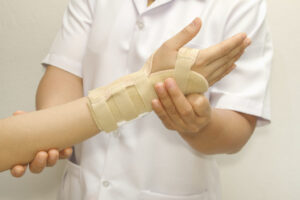
- Bracing or support
- Physical therapy
- Rehabilitation
- Therapeutic exercises
- Observation and follow-up
Non-surgical treatment may be recommended to reduce symptoms, improve movement, restore function, or prevent further problems.
Minimally Invasive Procedures
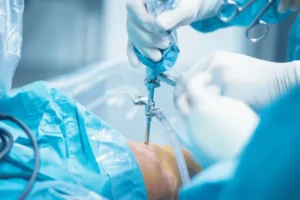
Certain orthopedic conditions may benefit from minimally invasive procedures. Arthroscopy, for example, uses specialized instruments and a small camera to allow a surgeon to examine or treat certain joint problems through small incisions.
Lao Orthopedic Clinic includes sports surgery and arthroscopy among its areas of orthopedic care. Whether a minimally invasive procedure is appropriate depends on the patient’s specific condition.
Surgical Treatment
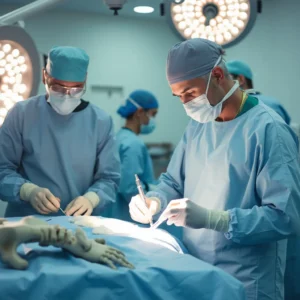
Surgery may be considered when a condition cannot be adequately managed with conservative treatment or when the nature of an injury makes surgical intervention appropriate.
Orthopedic surgical procedures can include treatment for fractures, ligament injuries, tendon problems, joint damage, and certain degenerative conditions.
Lao Orthopedic Clinic provides care involving orthopedic trauma, sports injuries, joint reconstruction, and conditions involving the hip, knee, and shoulder.
A recommendation for surgery does not mean that every patient will immediately undergo an operation. Your orthopedic doctor Bicol should explain the reason for the procedure, available alternatives, expected benefits, possible risks, and recovery considerations before treatment decisions are made.
Does Seeing an Orthopedic Doctor Mean You Need Surgery?
One of the most common concerns patients have is that an orthopedic consultation automatically leads to surgery. This is not necessarily the case.
Orthopedic doctors provide many forms of care, including evaluation, rehabilitation recommendations, medication management when appropriate, activity modification, and other non-surgical treatments.
Surgery is considered when it is appropriate for a particular condition. The decision can depend on the severity of the injury or disease, symptoms, functional limitations, previous treatment, and the patient’s individual circumstances.
Consulting an orthopedic doctor Bicol gives you an opportunity to understand what may be causing your symptoms and what treatment options are available. A consultation is not a commitment to undergo surgery.
What Questions Should You Ask Your Orthopedic Doctor?
Your first appointment is also an opportunity to ask questions. If something about your condition or treatment is unclear, do not hesitate to request an explanation.
Consider asking:
- What may be causing my symptoms?
- What is the likely diagnosis?
- Do I need an X-ray, MRI, or another test?
- What treatment options are available?
- Can my condition improve without surgery?
- What activities should I avoid?
- Would physical therapy be helpful?
- What can I do to manage my symptoms?
- If surgery is recommended, why is it necessary?
- What does recovery involve?
- When should I return for a follow-up?
- What symptoms should I watch for?
Taking notes during your consultation can also help you remember the doctor’s recommendations afterward.
Understanding Your Treatment Plan After the First Visit
Your treatment plan will depend on the findings from your consultation. Some patients may be asked to return for additional tests, while others may begin treatment immediately.
Possible next steps can include diagnostic imaging, physical therapy, medication, activity modification, rehabilitation, follow-up consultations, or surgical planning when appropriate.
Your orthopedic doctor Bicol may also explain what activities you should temporarily avoid and what movements or exercises may be appropriate.
Following the recommended treatment plan is important. If you have concerns about a medication, therapy, exercise, procedure, or recovery timeline, discuss them with your healthcare provider rather than making significant changes on your own.
Why Choose an Orthopedic Doctor in Bicol With Specialized Training?
Lao Orthopedic Clinic is led by Dr. Lawrence Lao. His orthopedic training includes orthopedic traumatology at East Avenue Medical Center, fellowship training in Hip and Knee Advanced Reconstruction at Chang Gung Memorial Hospital, and Sports Surgery and Arthroscopy training at Thammasat University Hospital.
His areas of orthopedic care include sports injuries, arthroscopy, hip and knee conditions, shoulder conditions, orthopedic trauma, and reconstruction.
For patients looking for an orthopedic doctor Bicol, understanding a specialist’s training and areas of practice can help when deciding where to seek consultation.
What Makes the First Visit at Lao Orthopedic Clinic Important?
A first consultation is more than simply identifying where it hurts. The goal is to understand the patient’s symptoms, medical history, physical condition, and functional limitations.
At Lao Orthopedic Clinic, patients can seek orthopedic evaluation for concerns involving different parts of the musculoskeletal system. The clinic’s services cover areas including sports medicine, orthopedic trauma, arthroscopy, hip and knee care, shoulder conditions, and reconstruction.
Patients from different parts of Bicol may seek specialized orthopedic assessment when pain or injury begins affecting their mobility and quality of life.
The consultation gives you an opportunity to explain your concerns directly and understand the possible treatment options available for your condition.
How to Make the Most of Your Orthopedic Consultation
A little preparation can make your first appointment more productive.
Start by bringing relevant medical records, previous imaging, and a list of current medications. Write down your symptoms and remember important details about when they started.
During your consultation, be honest about your pain and limitations. If a particular movement is difficult, explain how it affects your daily life. For example, instead of simply saying that your knee hurts, explain whether you have trouble climbing stairs, standing for long periods, walking, exercising, or sleeping.
You should also ask questions about anything you do not understand. A clear conversation with your orthopedic doctor Bicol can help you understand your condition and the reasoning behind the recommended treatment.
When to Seek Prompt Orthopedic Evaluation
Certain injuries should receive medical attention rather than being ignored or managed indefinitely at home.
Consider seeking prompt medical evaluation following significant trauma, suspected fractures, major swelling, severe joint instability, persistent pain after an injury, or substantial loss of normal function.
Serious emergencies may require immediate emergency medical care rather than waiting for a scheduled orthopedic appointment. When in doubt about the urgency of an injury, seek appropriate medical advice.
An orthopedic doctor Bicol can evaluate many musculoskeletal problems and help determine what type of treatment or follow-up may be appropriate.
Take the Next Step Toward Better Mobility
Persistent pain, recurring injuries, and difficulty moving should not simply be accepted as part of everyday life. An orthopedic evaluation can help identify possible causes and provide a clearer understanding of available treatment options.
Your first appointment with an orthopedic doctor Bicol does not have to be intimidating. Preparing your medical information, bringing previous diagnostic records, describing your symptoms clearly, and asking questions can help you make the most of your consultation.
Lao Orthopedic Clinic provides specialized orthopedic care for patients dealing with sports injuries, orthopedic trauma, joint problems, and conditions involving the hip, knee, shoulder, and other parts of the musculoskeletal system. With appropriate assessment and individualized treatment planning, patients can take informed steps toward improving mobility and managing their orthopedic concerns.
Frequently Asked Questions About Seeing an Orthopedic Doctor in Bicol
What should I bring to my first orthopedic appointment?
Bring previous medical records, imaging results, medication information, and details about your symptoms. X-rays, MRI scans, CT scans, or other relevant reports can be useful if they are available.
Do I need an X-ray before seeing an orthopedic doctor?
Not necessarily. Whether you need an X-ray or another diagnostic test depends on your symptoms, medical history, physical examination, and suspected condition. Your orthopedic doctor Bicol can determine which tests, if any, are appropriate.
What happens during an orthopedic physical examination?
The doctor may examine the affected area for tenderness, swelling, range of motion, strength, stability, alignment, and movement. The exact examination depends on the patient’s symptoms and suspected condition.
Does seeing an orthopedic doctor mean I need surgery?
No. Orthopedic care includes both surgical and non-surgical treatments. Depending on your condition, your doctor may recommend medication, physical therapy, activity modification, rehabilitation, observation, or another conservative approach.
How do I know if I need an orthopedic doctor in Bicol?
Persistent pain, difficulty moving, repeated joint instability, sports injuries, suspected fractures, and symptoms that interfere with daily activities may be reasons to seek an orthopedic evaluation.
Can an orthopedic doctor treat sports injuries?
Yes. Orthopedic specialists may evaluate and treat various sports-related musculoskeletal injuries. Depending on the injury, treatment may include rehabilitation, physical therapy, activity modification, minimally invasive procedures, or surgery.
What conditions does Lao Orthopedic Clinic treat?
Lao Orthopedic Clinic provides orthopedic care involving areas such as the hip, knee, shoulder, hand, spine, sports injuries, orthopedic trauma, arthroscopy, and joint reconstruction.
Where can I consult an orthopedic doctor through Lao Orthopedic Clinic?
Lao Orthopedic Clinic provides consultation options at medical facilities in Bicol, including locations in Naga, Legazpi, and Goa, Camarines Sur. Patients should confirm the current clinic schedule and appointment details before visiting.