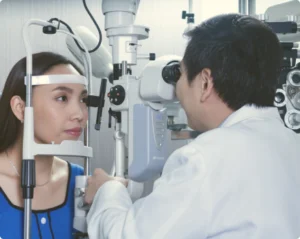
Good eyesight supports almost everything people do throughout the day, including reading, working, driving, using digital devices, and enjoying hobbies. When vision becomes blurry or uncomfortable, finding qualified professional care can help identify the underlying concern and appropriate treatment options. An Eye and Laser Clinic Quezon City can provide patients with access to specialized eye examinations, modern diagnostic technology, and treatments for various vision conditions. Some clinics also offer laser-based procedures for people who want to reduce their dependence on glasses or contact lenses. However, laser treatment is only one part of comprehensive eye care, and not every patient requires or qualifies for a laser procedure. Selecting the right facility involves considering physician qualifications, available services, diagnostic equipment, patient safety, and follow-up support. Understanding these factors can help patients approach their eye-care choices with greater confidence.
The Role of an Eye and Laser Clinic
An Eye and Laser Clinic Quezon City can serve patients with a wide variety of vision and eye-health concerns. Unlike an optical shop that primarily focuses on eyeglasses and contact lenses, an ophthalmology clinic can evaluate and manage medical conditions affecting the eyes. Depending on the facility, services may include comprehensive eye examinations, cataract evaluation, glaucoma screening, corneal assessments, retinal examinations, dry-eye management, and refractive surgery consultations. Laser centers may additionally provide procedures designed to correct certain types of refractive errors. The combination of diagnostic services and specialized treatment can make these facilities useful for patients with both routine and complex eye-care needs. Patients should remember that services vary between clinics, so checking the facility’s specialties before making an appointment is important. A consultation can help identify the most appropriate next step based on the patient’s individual condition.
Why Professional Eye Care Is Important
Many people only visit an eye doctor after noticing a significant change in their vision, but regular eye care can be useful even when eyesight appears normal. Certain eye conditions may develop gradually and may not produce obvious symptoms during their early stages. A professional examination allows an ophthalmologist to evaluate visual function while also checking for potential signs of eye disease. Routine examinations may be particularly important for people with certain medical conditions, family histories, or age-related risk factors. Children may require eye assessments to support healthy visual development, while adults may need monitoring for changing prescriptions or age-related conditions. Older adults can benefit from regular screening for conditions such as cataracts, glaucoma, and retinal disorders. Visiting an Eye and Laser Clinic Quezon City can therefore be part of a broader approach to maintaining healthy vision throughout different stages of life.
Services You May Find at an Eye Clinic
The services available at an Eye and Laser Clinic Quezon City can depend on the clinic’s medical specialties and technology. Basic eye examinations may include visual acuity testing and refraction to determine whether corrective lenses are needed. More detailed assessments may evaluate eye pressure, the cornea, retina, optic nerve, and other structures of the eye. Patients experiencing dry eyes may receive an evaluation to determine possible causes and appropriate management. People with cataracts may undergo examinations to determine whether surgery should be considered. Individuals with glaucoma or retinal concerns may require specialized testing and ongoing monitoring. Some clinics also offer pediatric ophthalmology, corneal services, refractive surgery, and other subspecialty care, allowing patients to seek different forms of eye treatment in one medical setting.
Laser Vision Correction Explained
Laser vision correction is designed to change the way light is focused by reshaping specific structures of the eye. It may help selected patients reduce their dependence on glasses or contact lenses for certain types of refractive errors. LASIK is one of the most familiar procedures, but PRK and SMILE are also used in appropriate circumstances. Each technique has its own method, eligibility requirements, potential benefits, and recovery considerations. An Eye and Laser Clinic Quezon City should conduct a comprehensive evaluation before recommending any laser procedure. Factors such as the patient’s prescription, corneal thickness, corneal shape, eye surface health, age, and overall medical history may affect eligibility. Patients should therefore view laser vision correction as an individualized medical treatment rather than a procedure that is automatically appropriate for anyone who wants to stop wearing glasses.
LASIK and Its Considerations
LASIK is a refractive procedure that reshapes the cornea to improve how light focuses on the retina. It is commonly discussed by patients interested in reducing dependence on corrective lenses. Before LASIK can be considered, an ophthalmologist needs to determine whether the patient’s eyes meet the appropriate clinical requirements. Detailed measurements of the cornea and other eye structures can help identify whether the procedure is suitable. The doctor may also discuss factors such as dry-eye symptoms, prescription stability, lifestyle, and expectations. Patients should understand that the goal of LASIK is improved functional vision rather than a guarantee of perfect eyesight. A professional consultation at an Eye and Laser Clinic Quezon City can provide individualized information about whether LASIK is an appropriate option.
PRK as Another Laser Treatment Option
PRK uses a different surgical approach from LASIK while also using laser technology to reshape the cornea. Instead of creating the same type of corneal flap used during LASIK, PRK treats the surface of the cornea. This difference can influence the recovery experience and may make PRK a consideration for certain patients. The procedure is not automatically better or worse than LASIK because suitability depends on the individual’s eye characteristics. An ophthalmologist can evaluate the patient’s corneal structure and other factors before discussing PRK. Patients should ask how long recovery may take and what temporary effects they may experience after treatment. Understanding these differences allows patients to make decisions based on medical recommendations rather than assumptions about which procedure is most popular.
Understanding SMILE
SMILE is another type of laser vision correction that uses a small incision and specialized femtosecond laser technology. During the procedure, a small piece of corneal tissue called a lenticule is created and removed through the incision. This changes the shape of the cornea to correct certain refractive errors. SMILE differs from LASIK because it does not use the same traditional corneal flap approach. Whether a patient is suitable for SMILE depends on individual eye characteristics and the availability of the procedure at the selected clinic. Patients considering SMILE should ask their ophthalmologist about eligibility, expected results, recovery, potential risks, and alternatives. A qualified Eye and Laser Clinic Quezon City can help patients compare appropriate options after completing the necessary diagnostic assessments.
The Importance of Advanced Eye Testing
Modern eye care relies heavily on accurate diagnostic information, particularly when surgery or laser treatment is being considered. An eye examination may include several measurements designed to evaluate different aspects of the patient’s visual system. Corneal mapping, corneal thickness measurements, eye pressure testing, and other assessments may be recommended depending on the patient’s condition and the proposed treatment. These tests can help an ophthalmologist identify characteristics that may affect treatment suitability. Diagnostic technology can also assist doctors in monitoring certain eye conditions over time. Patients should ask what examinations are included in their consultation and why each test is necessary. A clinic that combines appropriate testing with professional interpretation can provide a stronger foundation for personalized treatment planning.
Choosing an Eye and Laser Clinic in Quezon City
Selecting an Eye and Laser Clinic Quezon City requires careful consideration because different facilities may specialize in different areas of eye care. Begin by researching the ophthalmologist’s education, professional credentials, specialization, and experience. If you are considering refractive surgery, ask how frequently the doctor performs the procedure and what evaluation process is followed before treatment. It is also helpful to consider the clinic’s diagnostic equipment and whether it provides the examinations necessary for your particular concern. Patients should ask about the complete cost of treatment rather than focusing on an advertised starting price. Find out whether the price includes consultations, diagnostic testing, medications, and follow-up visits. A clinic that clearly explains its services and encourages patients to ask questions can make the decision-making process more comfortable.
Questions to Consider Before Selecting a Clinic
Patients can make their search easier by preparing a list of questions before contacting an eye clinic. Ask which ophthalmologist will perform the consultation and whether the doctor specializes in the condition or procedure you are considering. Ask what diagnostic tests are performed before laser treatment and whether those tests are included in the consultation fee. Patients should also ask what procedures are available and whether alternative treatments may be more appropriate. Questions about recovery, follow-up appointments, possible complications, and postoperative restrictions can provide a clearer picture of the complete treatment process. It is also reasonable to request a detailed explanation of the total expected cost. Taking the time to ask these questions can help patients compare clinics based on quality and suitability rather than marketing alone.
Preparing for an Eye Examination
Preparing properly can help make an eye examination more useful and efficient. Patients should bring their current eyeglasses and any previous prescriptions or eye-care records they have available. Information about existing medical conditions and medications should also be shared with the ophthalmologist. Contact lens wearers may need to temporarily stop wearing their lenses before certain examinations, depending on the type of lenses and the tests being performed. Patients should follow the clinic’s instructions carefully because accurate measurements can be particularly important when laser treatment is being considered. Writing down symptoms and questions before the appointment can also help ensure that important concerns are discussed. Good preparation allows the ophthalmologist to develop a more complete understanding of the patient’s vision and eye-health needs.
What Happens During a Laser Consultation?
A laser consultation typically begins with a discussion about the patient’s vision goals and medical history. The ophthalmologist may ask about glasses, contact lenses, previous eye procedures, medications, and any current symptoms. Several diagnostic measurements may then be performed to assess the patient’s refractive error and eye health. For potential laser candidates, specialized testing may provide information about the cornea and other factors that influence treatment suitability. The doctor reviews the results and determines whether laser vision correction should be considered. If treatment is appropriate, the patient can discuss available procedures, expected recovery, possible risks, and alternatives. If laser treatment is not recommended, the ophthalmologist may explain other ways to manage the patient’s vision needs.
Eye Care for People Who Spend Long Hours on Screens
Digital devices are now part of work, education, communication, and entertainment, making screen-related visual discomfort increasingly common. People who spend long hours looking at computers, tablets, or smartphones may experience symptoms such as dry eyes, temporary blurry vision, headaches, or difficulty maintaining comfortable focus. These symptoms do not necessarily mean that a person needs laser vision correction. An eye examination can help determine whether the discomfort is related to refractive errors, dry eye, focusing problems, or another condition. Simple changes such as taking regular visual breaks and maintaining appropriate screen habits may also be recommended. Patients with persistent or worsening symptoms should seek professional evaluation rather than assuming the problem is caused solely by screen use. An Eye and Laser Clinic Quezon City can assess these concerns and recommend appropriate care.
Eye Care as You Get Older
Vision needs often change as people age, making regular eye examinations increasingly important. Adults may notice difficulty reading small print or focusing on nearby objects as age-related changes affect the ability to focus at close distances. Cataracts can also gradually affect vision, producing symptoms such as cloudy vision, glare, or difficulty seeing at night. Glaucoma and certain retinal conditions may require regular monitoring because they can progress without obvious early symptoms. People with chronic health conditions may also require additional eye assessments depending on their individual risk factors. An eye specialist can recommend appropriate examinations based on age, medical history, and existing eye conditions. Regular professional care can help patients understand changes in their vision and identify treatment options when necessary.
Understanding Safety and Patient Expectations
Patients should approach laser eye procedures with realistic expectations and a clear understanding of potential risks. No medical procedure can guarantee identical results for every patient because individual anatomy and healing responses differ. A qualified ophthalmologist should explain the expected benefits as well as possible limitations and complications before treatment. Patients should also receive instructions about medications, eye protection, physical activities, and follow-up visits during recovery. It is important to follow these instructions carefully even if vision begins improving quickly. Any unexpected or concerning symptoms should be discussed with the treating eye specialist rather than ignored. Choosing a qualified provider and maintaining appropriate follow-up care are important parts of responsible eye treatment.
The Importance of Post-Treatment Follow-Up
The treatment process does not end when a laser procedure is completed. Follow-up appointments allow the ophthalmologist to monitor healing and assess changes in vision. Patients may receive medications or specific instructions intended to support recovery and protect the eyes. Depending on the procedure, the doctor may recommend temporary restrictions on activities such as swimming, strenuous exercise, or rubbing the eyes. Recovery times can vary, so patients should follow their own doctor’s instructions instead of relying on another person’s experience. Follow-up care also provides an opportunity to address persistent discomfort, changes in vision, or other concerns. A clinic that provides organized postoperative monitoring can give patients greater support throughout the recovery period.
FAQ About an Eye and Laser Clinic Quezon City
What can an Eye and Laser Clinic Quezon City provide?
An Eye and Laser Clinic Quezon City may offer routine eye examinations, medical eye care, diagnostic testing, refractive consultations, laser vision correction, and other specialized services. The exact services depend on the clinic and its ophthalmology specialties. Patients should check the facility’s current services before scheduling an appointment. A consultation can determine which services are relevant to the patient’s condition.
How do I know if I need to see an eye doctor?
Persistent blurry vision, frequent headaches associated with visual tasks, eye discomfort, changes in vision, or difficulty seeing clearly can all be reasons to seek professional evaluation. People without symptoms may also benefit from periodic eye examinations. The appropriate schedule depends on age, health, family history, and individual risk factors. Sudden or severe changes in vision should receive prompt professional attention.
Is LASIK the only laser vision correction option?
No, LASIK is not the only option. Depending on the patient’s eye characteristics and the clinic’s available services, procedures such as PRK or SMILE may also be considered. Other non-laser vision correction options may be appropriate for some patients. An ophthalmologist should determine which options are medically suitable after examination.
How long does laser vision correction take?
The actual procedure can be relatively short, but the overall appointment involves preparation, diagnostic confirmation, treatment, and post-procedure instructions. Patients should not plan their schedule based only on the estimated laser treatment time. The clinic can provide more specific information about the expected duration of the complete visit. Recovery and follow-up requirements should also be considered when planning treatment.
Will I still need glasses after laser vision correction?
Some patients may still use glasses for certain activities or as their vision changes over time. Laser vision correction is intended to reduce dependence on corrective lenses for appropriately selected patients, but individual results vary. Age-related changes in near vision can also occur even after successful distance vision correction. Your ophthalmologist can discuss realistic expectations based on your age and eye health.
How much does an eye examination cost in Quezon City?
Consultation and diagnostic costs vary between clinics and depend on the type of examination required. Specialized laser evaluations may involve additional testing compared with a standard vision assessment. Patients should ask the clinic for current fees before scheduling. It is also useful to determine whether diagnostic tests are included in the consultation price.
What should I bring to my appointment?
Bring your current eyeglasses, previous eye examination records, relevant medical information, and a list of medications. Contact lens wearers should ask whether they need to stop wearing their lenses before the appointment. You can also bring a written list of questions and symptoms you want to discuss. These details can help the ophthalmologist perform a more complete evaluation.
Takeaway: Making a Smart Choice for Your Vision
Finding a reliable Eye and Laser Clinic Quezon City starts with understanding your own vision needs and researching the care available from qualified professionals. A good eye clinic should provide appropriate examinations before recommending medical treatment or laser vision correction. Procedures such as LASIK, PRK, and SMILE offer different approaches, and the right option depends on individual eye characteristics rather than popularity. Patients should consider physician credentials, diagnostic technology, treatment options, safety practices, pricing transparency, and postoperative care when comparing providers. Asking detailed questions can also help clarify what to expect before, during, and after treatment. Regular eye examinations remain important even for people who have no obvious vision problems because certain conditions can develop gradually. With appropriate professional guidance and careful clinic selection, patients can make more informed decisions about protecting their eyesight and exploring modern vision-care options.