
Proper wound management plays a major role in preventing complications such as infection, delayed healing, and tissue damage. A Specialized wound hospital is designed to handle complex and chronic cases, while a wound care clinic focuses on routine and less complicated wound conditions. Both settings serve important roles in patient recovery, but their scope, equipment, and level of medical attention differ significantly.
A trusted provider like Kalingap Wound Care Clinic often serves as the first point of contact for many patients seeking professional wound care guidance and treatment options.
What Is a Specialized Wound Hospital?
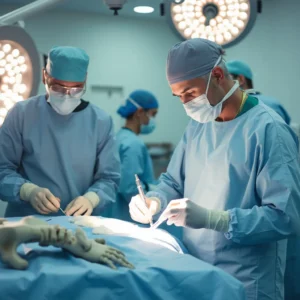
A Specialized wound hospital is a medical facility dedicated to the treatment of serious, long-term, or complicated wounds. These hospitals are structured to manage cases that require continuous monitoring, advanced procedures, and coordinated care from multiple healthcare professionals.
Patients treated in a Specialized wound hospital often include those with diabetic foot ulcers, deep pressure injuries, surgical wound complications, and infected wounds that do not respond to basic treatment. The environment is designed to support both outpatient and inpatient care, depending on the severity of the condition.
Medical teams in a Specialized wound hospital typically include doctors, wound care nurses, infection control specialists, and sometimes vascular or surgical experts. This coordinated approach helps ensure that patients receive consistent and precise treatment throughout their recovery period.
What Is a Wound Care Clinic?
A wound care clinic provides outpatient services focused on mild to moderate wound conditions. Unlike a Specialized wound hospital, a clinic does not usually admit patients for overnight care. Instead, it supports regular checkups, dressing changes, and basic wound management procedures.
Clinics like Kalingap Wound Care Clinic play a key role in early intervention and ongoing wound maintenance. Patients often visit these clinics for minor cuts, small burns, surgical follow-ups, or early-stage ulcers. The goal is to prevent worsening conditions and support steady healing.
While a wound care clinic may not handle highly complex cases, it is essential for preventing minor wounds from progressing into serious conditions that may require a Specialized wound hospital.
Specialized Wound Hospital vs Wound Care Clinic: Key Differences
The differences between a Specialized wound hospital and a wound care clinic can be seen in several important areas:
A Specialized wound hospital handles severe and complicated wounds, while a wound care clinic manages simpler cases. Hospitals have more advanced equipment, surgical facilities, and emergency response capabilities. Clinics focus more on routine care and preventive treatment.
Another major difference lies in patient care duration. A Specialized wound hospital may require long-term or inpatient treatment, while clinics typically involve short, scheduled visits. Staffing also differs, as hospitals have multidisciplinary teams, while clinics operate with a more focused medical staff.
Services Offered in Each Facility
Specialized Wound Hospital Services
A Specialized wound hospital provides advanced medical procedures that go beyond basic wound care. These may include surgical debridement, infection control treatments, advanced dressing techniques, and continuous monitoring of complex wounds.
Some hospitals may also offer therapies designed to improve oxygen supply to tissues, which can support faster recovery in severe cases. Continuous observation allows medical teams to adjust treatment plans as needed.
Wound Care Clinic Services
A wound care clinic such as Kalingap Wound Care Clinic provides essential services like wound cleaning, dressing replacement, minor debridement, and follow-up consultations. These services are focused on promoting steady healing and preventing complications.
Clinics also play an important role in patient education, helping individuals understand proper wound hygiene and care routines.
Types of Wounds Treated
Specialized Wound Hospital
A Specialized wound hospital treats complex conditions such as diabetic foot ulcers, deep pressure sores, post-surgical infections, and chronic wounds that show little to no improvement over time.
These cases often require advanced intervention and close monitoring to prevent further complications.
Wound Care Clinic
A wound care clinic like Kalingap Wound Care Clinic manages minor injuries such as small cuts, superficial burns, early-stage ulcers, and post-surgical wound checks. These cases usually respond well to routine treatment and consistent follow-ups.
Treatment Methods and Medical Technology
A Specialized wound hospital uses advanced diagnostic tools and treatment systems to assess and manage difficult wound conditions. These may include imaging tools, laboratory testing, and specialized wound dressings designed for faster tissue recovery.
Clinics such as Kalingap Wound Care Clinic focus on practical and effective wound care methods, including antiseptic cleaning, dressing application, and regular assessment of healing progress. While less complex than hospital procedures, these methods are essential for preventing infection and promoting recovery.
Cost Differences and Accessibility
Treatment in a Specialized wound hospital is generally more expensive due to advanced equipment, specialized staff, and longer treatment periods. Patients may also require hospitalization, which adds to overall costs.
A wound care clinic like Kalingap Wound Care Clinic is often more accessible and affordable for routine care. Clinics are commonly located in community areas, making them easier to reach for regular appointments and follow-ups.
Insurance coverage may vary depending on the severity of the wound and the type of facility used.
When to Choose a Specialized Wound Hospital
A Specialized wound hospital is recommended when wounds show signs of severe infection, slow healing, or complications that cannot be managed through basic treatment. Patients with deep tissue damage or chronic conditions often require hospital-level care.
If a wound continues to worsen despite regular clinic visits, a referral to a Specialized wound hospital may be necessary.
When to Choose a Wound Care Clinic
A wound care clinic like Kalingap Wound Care Clinic is suitable for minor wounds, early-stage injuries, and routine wound maintenance. It is also ideal for patients who require regular dressing changes or preventive care after minor procedures.
Early treatment at a clinic can reduce the likelihood of needing hospital-based care later.
Patient Outcomes and Recovery Expectations
Recovery in a Specialized wound hospital often depends on the severity of the condition and the patient’s response to treatment. Complex wounds may require extended care and close supervision.
At a wound care clinic such as Kalingap Wound Care Clinic, healing is typically faster for minor wounds, especially when patients follow care instructions consistently and attend scheduled visits.
Early attention to wounds often leads to better recovery outcomes regardless of the facility type.
Common Misconceptions About Wound Care Facilities
One common misunderstanding is that all wounds require treatment in a Specialized wound hospital. Many minor wounds can be effectively treated in a wound care clinic.
Another misconception is that clinics only provide basic services. In reality, clinics like Kalingap Wound Care Clinic play a critical role in preventing wound complications through consistent care and monitoring.
Some also believe that hospital care always leads to faster healing, but proper treatment depends more on wound severity and timely intervention.
Frequently Asked Questions (FAQ)
What is the main difference between a Specialized wound hospital and a wound care clinic?
A Specialized wound hospital handles complex and severe wounds with advanced medical support, while a wound care clinic focuses on minor and moderate wound care.
Do all chronic wounds require hospital treatment?
Not all chronic wounds require a Specialized wound hospital, but severe or non-healing cases often do.
Can a wound care clinic handle diabetic foot ulcers?
Early-stage cases may be managed at a clinic like Kalingap Wound Care Clinic, but advanced cases may need hospital care.
How do I know if my wound needs hospital care?
Signs such as infection, worsening pain, or slow healing may indicate the need for a Specialized wound hospital.
Is treatment faster in a Specialized wound hospital?
It depends on the condition. Complex wounds may require longer treatment, while minor wounds heal faster in clinics like Kalingap Wound Care Clinic.