
Clear vision plays a major role across work, education, mobility, safety, communication, and everyday comfort. Blurry sight, eye pain, light sensitivity, redness, or sudden visual changes can affect daily activities and may signal a concern that requires professional medical attention.
Choosing an Eye Treatment Hospital in Quezon City gives patients access to qualified eye doctors, modern ophthalmic equipment, careful assessment, and treatment guidance close to home. Peregrine Eye and Laser Institute, also known as PELI, offers eye care supported by medical expertise, current technology, compassionate service, and patient-focused facilities.
PELI has served patients since January 2013 and currently operates key facilities across Makati, Manila, and Quezon City. Its doctors provide relevant information and treatment options so patients can better understand their condition and make appropriate decisions about their eye health.
Why Professional Eye Care Matters
Eye symptoms can develop for many reasons. Some may come from temporary irritation or visual fatigue, while others may relate to medical conditions that require monitoring, medication, procedures, or surgery. A professional assessment helps determine the likely cause and the suitable next step.
An Eye Treatment Hospital in Quezon City can provide access to ophthalmologists who assess symptoms, review medical history, perform recommended tests, and discuss possible treatment choices. Professional care becomes especially valuable when symptoms continue, worsen, or affect normal activities.
Self-diagnosis may delay proper care. Two eye conditions can sometimes cause similar symptoms but require very different treatment approaches. A complete evaluation helps the doctor identify the affected eye structures, measure visual function, and determine whether further testing may be needed.
Patients should seek prompt medical attention for sudden vision loss, severe eye pain, flashes of light, new floaters, eye trauma, or rapid visual changes. Early assessment may help reduce the risk of complications and protect remaining vision.
What Patients Should Expect From an Eye Treatment Hospital in Quezon City
A trusted eye care facility should offer more than a basic vision check. Patients should receive careful medical attention, understandable explanations, suitable diagnostic support, and respectful treatment throughout each stage of care.
When searching for an Eye Treatment Hospital in Quezon City, patients may consider several factors:
- Qualifications and experience of the ophthalmologists
- Available eye care specialties and subspecialties
- Quality of diagnostic equipment
- Access to ophthalmic operating facilities
- Communication between doctors, staff, patients, and family members
- Comfort and cleanliness of the clinic
- Appointment and treatment coordination
- Availability of follow-up care
PELI combines medically current care with compassionate and efficient service. Its doctors provide patients with relevant details and available options, helping them participate actively across treatment decisions.
About Peregrine Eye and Laser Institute
Peregrine Eye and Laser Institute began through a shared vision among Mr. Jimmy Tan, Dr. Harvey Uy, and Dr. Pik Sha Chan Uy. During 2012, these like-minded leaders developed the idea of creating an eye care facility supported by state-of-the-art technology and personalized service.
PELI officially opened during January 2013. Since then, the organization has worked toward its goal of supporting a blind-free Philippines through qualified medical care, public service, research, training, and vision-related programs.
Patients looking for an Eye Treatment Hospital in Quezon City may consider PELI because of its commitment to both medical quality and human care. The institute seeks to provide scientifically current treatment while maintaining kindness, patience, efficiency, and respect for every patient.
Its guiding message, “Eye Care Like No Other,” reflects a commitment to provide more than clinical treatment. The patient experience also includes clear communication, comfortable facilities, organized processes, and guidance based on each person’s needs.
Experienced Ophthalmologists With Varied Specializations
Eye care covers many medical concerns, age groups, conditions, and treatment methods. Access to doctors with varied specialties and subspecialties helps patients receive care from medical professionals whose training matches their specific needs.
PELI offers a pool of ophthalmologists with different areas of expertise. Members of its medical team received training from globally recognized educational and medical institutions, including:
- Harvard Medical School
- Johns Hopkins University
- UCLA
- California Pacific Medical Center
- University of Wisconsin
- Singapore National Eye Center
These doctors also bring decades of clinical and surgical experience. Such experience supports careful assessment, treatment planning, patient education, and management of both routine and difficult eye cases.
An Eye Treatment Hospital in Quezon City with access to varied specialists may help patients who need a more focused evaluation. Depending on the medical findings, a patient may require additional testing, ongoing monitoring, nonsurgical care, or a surgical consultation.
PELI has handled both simple and complex cases for Filipino and foreign patients. Each case still requires individual evaluation, since treatment suitability depends on the diagnosis, medical history, test results, and overall health of the patient.
Modern Ophthalmic Equipment for Comprehensive Eye Care
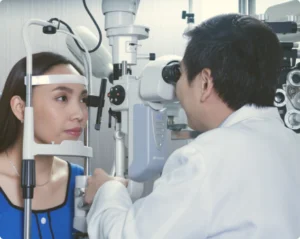
Medical technology supports many stages of eye care. Doctors may use ophthalmic equipment to examine eye structures, measure visual function, document changes, guide treatment planning, and assess recovery after a procedure.
PELI maintains a complete line of world-class ophthalmic equipment. Its investment across medical technology allows its doctors to provide comprehensive assessment and treatment support based on each patient’s clinical needs.
Patients choosing an Eye Treatment Hospital in Quezon City may benefit from a facility where consultations, diagnostic assessments, treatment planning, and follow-up care can be properly coordinated. Access to suitable equipment may also reduce the need to visit several separate facilities for different parts of an eye care plan.
Technology does not replace medical judgment. Equipment provides information that doctors interpret alongside the patient’s symptoms, health history, examination findings, and previous records. Qualified ophthalmologists remain responsible for deciding which tests are necessary and what treatment options may be appropriate.
State-of-the-Art Ophthalmic Operating Theaters
Some eye conditions may require surgical care. A properly equipped operating theater supports organized procedures, infection-control measures, medical monitoring, and coordinated work among surgeons and allied healthcare staff.
PELI has state-of-the-art operating theaters designed for ophthalmic procedures. These facilities form part of the institute’s commitment to comprehensive eye care and patient safety.
A patient searching for an Eye Treatment Hospital in Quezon City may wish to ask whether the facility can provide diagnostic testing, surgical evaluation, the procedure itself, and follow-up care. Keeping these services properly coordinated may help patients understand their care plan more clearly.
Surgery is not recommended for every eye concern. The ophthalmologist must first assess the condition and discuss suitable choices. Patients should ask about possible benefits, risks, recovery expectations, preparation requirements, and follow-up schedules before agreeing to any procedure.
Personalized Eye Care Based on Patient Needs
No two patients have exactly the same eye health history. Age, lifestyle, symptoms, previous treatment, medication use, general health, occupation, and personal priorities may all affect medical recommendations.
PELI places strong value on personalized care. Its doctors explain relevant findings and treatment options so patients can make decisions based on accurate medical guidance.
An Eye Treatment Hospital in Quezon City should give patients enough opportunity to ask questions and discuss concerns. Clear communication can help reduce anxiety, correct misunderstandings, and prepare patients for tests, treatment, or recovery.
Personalized care may include:
- Reviewing the patient’s complete eye history
- Discussing current symptoms and visual difficulties
- Checking previous diagnoses or treatment records
- Explaining recommended diagnostic tests
- Presenting suitable treatment choices
- Discussing expected results and possible limitations
- Planning follow-up visits
- Adjusting care based on medical progress
Patients should feel comfortable asking why a test or treatment has been recommended. They may also request clarification whenever a medical term or instruction is difficult to understand.
Compassionate Medical and Human Care
Eye concerns can cause fear, uncertainty, and frustration. Some patients may worry about losing vision, undergoing surgery, or becoming dependent on other people. Compassionate communication can make the medical experience less stressful.
PELI aims to combine technically competent medical care with kindness, patience, and efficiency. Its team recognizes that treatment involves not only the eye condition but also the comfort, dignity, and emotional well-being of the patient.
Choosing an Eye Treatment Hospital in Quezon City with a patient-centered approach may be especially helpful for older adults, children, people with disabilities, anxious patients, and those preparing for ophthalmic procedures.
Family members may also play an important role. They can assist with transportation, medication reminders, medical records, and aftercare instructions. With the patient’s permission, family members may ask questions and help review the doctor’s recommendations.
Comfortable and Welcoming Eye Care Facilities
A clinic’s physical environment can affect the patient experience. Clear reception procedures, comfortable waiting areas, accessible spaces, organized examination rooms, and helpful staff can reduce confusion during a visit.
PELI designed its clinics to be efficient, comfortable, and welcoming for patients. These efforts support a smoother experience from appointment registration through consultation and follow-up care.
Patients visiting an Eye Treatment Hospital in Quezon City may spend time completing forms, waiting for eye drops to take effect, undergoing tests, or discussing results. A well-planned facility can help make these stages more manageable.
Certain examinations may temporarily affect vision or light sensitivity. Patients should ask beforehand whether they may need someone to drive them home or accompany them after the appointment.
Trained Allied Medical Professionals and Support Staff
Eye care depends on teamwork. Ophthalmologists work with nurses, technicians, administrative personnel, and other allied medical professionals to support examinations, procedures, patient preparation, documentation, and aftercare.
PELI hires well-credentialled allied medical professionals and provides annual training focused on both technical abilities and people skills. Regular training helps staff maintain professional service and respond appropriately to patient needs.
An Eye Treatment Hospital in Quezon City should have a team capable of assisting patients through each part of their visit. Staff members may explain preparation instructions, guide patients between examination areas, coordinate appointments, and provide approved aftercare reminders.
Good teamwork also helps reduce errors, improve communication, and support continuity between consultation, testing, treatment, and follow-up visits.
Appointment Scheduling and Treatment Coordination
Organized scheduling helps patients prepare for consultations and recommended procedures. It also helps medical teams allocate suitable time for testing, doctor evaluations, and patient education.
PELI regularly upgrades its information technology systems and clinic processes. These systems support appointment scheduling and treatment coordination across its facilities.
Before visiting an Eye Treatment Hospital in Quezon City, patients may contact the clinic to ask about:
- Available appointment dates
- Doctor schedules
- Preparation requirements
- Previous records to bring
- Expected length of the visit
- Need for a companion
- Payment methods
- Insurance or health card arrangements
- Post-procedure transportation needs
Appointment availability may vary. Contacting the facility ahead of time allows patients to confirm current schedules and avoid unnecessary delays.
What to Expect During an Eye Care Visit
A first visit usually begins with registration and a review of the patient’s main concern. Staff may ask about symptoms, previous eye conditions, medication use, allergies, surgeries, family history, and general health conditions.
The ophthalmologist may then perform an examination and recommend specific tests. The type of testing depends on the patient’s symptoms and possible diagnosis.
After reviewing the findings, the doctor may explain:
- The likely eye condition
- Additional testing that may be required
- Available treatment choices
- Benefits and possible risks
- Expected recovery or monitoring period
- Warning signs that require urgent care
- Recommended follow-up schedule
Patients visiting an Eye Treatment Hospital in Quezon City should bring current eyeglasses, medication lists, previous prescriptions, medical records, test results, identification, and insurance documents when applicable.
Writing down symptoms and questions before the appointment may also help patients remember important details during the consultation.
Eye Symptoms That May Require Professional Assessment
Several symptoms may justify an appointment with an ophthalmologist. These include:
- Persistent blurry vision
- Cloudy or hazy sight
- Eye pain
- Recurring redness
- Light sensitivity
- Difficulty seeing at night
- Frequent changes across eyeglass prescriptions
- Reduced side vision
- Double vision
- Excessive tearing
- Dryness or burning
- Recurring headaches related to visual tasks
- New floaters or flashes
- Sudden changes affecting one or both eyes
An Eye Treatment Hospital in Quezon City can assess these symptoms and determine whether they relate to an eye condition, medication effect, injury, age-related change, or another medical issue.
Sudden vision loss, severe pain, chemical exposure, or eye trauma may require urgent assessment. Patients should not delay care while waiting for symptoms to disappear.
Why Location Matters for Ongoing Eye Care
Some eye conditions require more than one visit. Patients may need follow-up testing, medication monitoring, treatment sessions, surgical reviews, or long-term observation.
Choosing an Eye Treatment Hospital in Quezon City may make repeat visits more practical for people who live, work, or study nearby. Easier access can also help family members accompany patients when needed.
PELI operates three key facilities across Metro Manila, located across Makati, Manila, and Quezon City. Multiple locations give patients more options when arranging consultations and follow-up schedules.
Patients should verify which doctors, tests, or procedures are available at their preferred facility before booking, since services and schedules may vary by location.
PELI’s Commitment to Patients, Employees, and Communities
PELI’s mission extends beyond clinical consultations. The organization aims to improve quality of life through exceptional eye care, innovative technology, safe practices, and caring service.
For its employees, PELI supports a professional and harmonious workplace with opportunities for personal and professional growth. Staff members may receive exposure through research, training, and educational programs.
For surrounding communities, PELI supports corporate social responsibility activities connected with research, vision impairment prevention, and other eye health initiatives. These efforts reflect its broader goal of helping reduce preventable vision problems across the Philippines and nearby countries.
Patients seeking an Eye Treatment Hospital in Quezon City may value a facility that supports medical quality, staff development, community service, and responsible eye health education.
Why Patients Consider Peregrine Eye and Laser Institute
PELI offers several qualities that patients commonly look for when choosing professional eye care:
- A convenient Quezon City facility
- Established operations since January 2013
- Ophthalmologists with varied specialties and subspecialties
- Doctors trained at globally recognized institutions
- Decades of combined clinical and surgical experience
- Modern ophthalmic equipment
- Advanced ophthalmic operating theaters
- Experience handling routine and difficult cases
- Personalized treatment discussions
- Trained allied medical professionals
- Comfortable and welcoming clinic spaces
- Organized appointment and treatment processes
- Commitment to community vision programs
These qualities support PELI’s position as an option for patients searching for an Eye Treatment Hospital in Quezon City.
Medical results still vary from one patient to another. Proper assessment remains necessary before a doctor can recommend treatment or discuss expected outcomes.
Choose Professional Eye Care Across Quezon City
Good eye care begins with proper assessment, accurate medical guidance, and clear communication. Ignoring persistent symptoms may allow a condition to progress, while early consultation can help identify concerns that require monitoring or treatment.
Peregrine Eye and Laser Institute combines experienced ophthalmologists, modern equipment, operating facilities, trained support staff, and personalized service. Its Quezon City facility gives patients access to professional eye care within a convenient Metro Manila location.
People searching for an Eye Treatment Hospital in Quezon City may contact PELI to ask about doctor availability, consultations, diagnostic services, treatment options, facility schedules, and appointment requirements.
Protecting vision supports independence, comfort, safety, and quality of life. A qualified ophthalmologist can provide the assessment and medical advice needed to support better eye health decisions.
Frequently Asked Questions About an Eye Treatment Hospital in Quezon City
Where can I find Peregrine Eye and Laser Institute?
PELI has three key facilities located across Makati, Manila, and Quezon City. Patients should contact the institute directly to confirm the current Quezon City address, clinic hours, doctor schedules, and appointment availability.
Does PELI accept patients with difficult eye conditions?
Peregrine Eye and Laser Institute states that its medical team has handled both simple and difficult eye cases for Filipino and foreign patients. A consultation is still required so the ophthalmologist can assess the condition and determine the appropriate next step.
What should I bring to my eye appointment?
Bring a valid identification card, current eyeglasses, medication list, previous eye prescriptions, medical records, laboratory results, and insurance information when applicable. Patients may also prepare a list of symptoms and questions.
Does every eye condition require surgery?
No. Treatment depends on the diagnosis and severity of the condition. Some concerns may require monitoring, medication, corrective lenses, lifestyle adjustments, or another form of medical care. The ophthalmologist will explain suitable options after examination.
Does PELI have modern eye care equipment?
Yes. PELI reports having a complete line of world-class ophthalmic equipment and state-of-the-art operating theaters to support comprehensive eye care services.
Can a family member accompany me?
A family member may be helpful, especially for elderly patients, children, anxious patients, or people undergoing tests that may temporarily affect vision. Contact the clinic beforehand to ask about current companion policies.
How should I prepare for an eye examination?
Follow any preparation instructions provided by the clinic. Bring your eyeglasses and medical records. Ask whether the examination may include eye drops that could cause temporary blurred vision or light sensitivity.
Why are follow-up visits important?
Follow-up appointments allow the doctor to review progress, monitor changes, evaluate treatment response, and adjust the care plan when necessary. Missing follow-up visits may delay detection of new or recurring concerns.
How do I choose an Eye Treatment Hospital in Quezon City?
Consider the qualifications of the doctors, available specialties, diagnostic equipment, operating facilities, clinic location, staff support, communication practices, patient comfort, and follow-up services. PELI offers these qualities through its medical team, facilities, and patient-centered approach.
How can I book an appointment with PELI?
Contact Peregrine Eye and Laser Institute directly through its official communication channels. Ask about the Quezon City facility, available doctors, appointment dates, preparation instructions, and documents required for the visit.