
Total Hip Replacement Surgery is one of the most effective orthopedic procedures for patients experiencing long-term hip pain that limits movement and daily activities. Many individuals across Bicol, including residents of Naga City, Legazpi City, and nearby provinces seek medical consultation when hip discomfort starts affecting walking, work, and independence.
Lao Orthopedic Services provides specialized orthopedic care focused on Hip, Knee, Shoulder, and Sports Surgery. Patients experiencing worsening hip conditions are often evaluated for Total Hip Replacement Surgery as part of a structured treatment plan designed to restore mobility and reduce long-term pain.
Understanding Chronic Hip Pain and Its Causes
Chronic hip pain develops gradually or after an injury and often becomes more severe over time. Many patients who later require Total Hip Replacement Surgery report that early symptoms were mild but progressed until walking and standing became difficult.
One of the most common causes is osteoarthritis, a condition where cartilage inside the hip joint wears down over time. As the protective surface deteriorates, bone rubs against bone, leading to pain and stiffness.
Hip injuries from falls, road accidents, or sports activity can also damage the joint structure. When these injuries are not properly treated or when damage is severe, long-term complications may develop that eventually require Total Hip Replacement Surgery.
Avascular necrosis is another condition where blood supply to the femoral head is reduced, causing bone tissue to weaken and collapse. This condition often leads to significant pain and reduced joint function.
Other contributing factors include congenital hip conditions, inflammatory joint diseases, and long-term overuse. Regardless of the cause, untreated hip damage can progress to a stage where Total Hip Replacement Surgery becomes the most reliable option for pain relief and mobility restoration.
What Is Total Hip Replacement Surgery?
Total Hip Replacement Surgery, also known as hip arthroplasty, is a procedure where damaged portions of the hip joint are replaced with artificial components designed to replicate natural movement.
The hip joint consists of a ball and socket structure. During Total Hip Replacement Surgery, the damaged femoral head is replaced with a metal or ceramic ball, while the damaged socket is replaced with a durable cup-like implant.
This procedure is recommended when the hip joint is no longer functioning properly and conservative treatments such as medication, injections, or physical therapy no longer provide relief. The main goal of Total Hip Replacement Surgery is to reduce pain, improve movement, and help patients return to daily routines with greater comfort.
When Is Total Hip Replacement Surgery Recommended?
Doctors consider Total Hip Replacement Surgery when symptoms begin to significantly affect quality of life. Patients often reach a stage where simple activities such as walking short distances, bending, or standing for long periods become difficult.
Common indications include persistent hip pain that does not improve with non-surgical treatment. This pain may be present during activity or even while resting. Another sign is reduced range of motion, where the hip becomes stiff and difficult to move.
Patients who experience difficulty performing daily tasks such as climbing stairs, sitting comfortably, or walking without assistance may also be evaluated for Total Hip Replacement Surgery.
Severe joint damage visible through imaging tests is another strong indicator. Once cartilage loss becomes extensive, surgical intervention becomes more effective than conservative treatment.
Benefits of Total Hip Replacement Surgery
Total Hip Replacement Surgery offers several long-term benefits for patients experiencing advanced hip joint damage.
One of the primary benefits is significant pain reduction. Many patients report relief from chronic discomfort that previously affected sleep, mobility, and daily activities.
Improved walking ability is another major benefit. After recovery, patients often regain the ability to walk longer distances with greater stability.
Total Hip Replacement Surgery also improves joint movement. Stiffness is reduced, allowing smoother motion during activities such as sitting, standing, and bending.
Many patients also experience improved independence. Tasks that were previously difficult may become manageable again, which contributes to a more active lifestyle.
The Total Hip Replacement Surgery Procedure Explained
Total Hip Replacement Surgery follows a structured surgical process designed for safety and long-term success.
Before surgery, a full assessment is conducted. This includes medical history review, physical examination, and imaging tests such as X-rays to evaluate joint damage.
During the procedure, anesthesia is administered to ensure patient comfort. The surgeon then accesses the hip joint and removes damaged bone and cartilage.
The artificial implant is then positioned carefully to match the patient’s anatomy. Proper alignment is essential to ensure stability and movement after Total Hip Replacement Surgery.
Once the implant is secured, the incision is closed, and the patient is transferred to recovery care for monitoring.
Recovery After Total Hip Replacement Surgery
Recovery plays an important role in the success of Total Hip Replacement Surgery. Most patients begin moving with assistance shortly after the procedure under medical supervision.
Early movement helps improve circulation and supports faster healing. Physical therapy is introduced to strengthen muscles around the hip joint and improve flexibility.
Patients gradually increase activity levels over time. Walking aids such as canes or walkers may be used during early recovery stages.
Full recovery time varies depending on age, overall health, and adherence to rehabilitation programs. Many patients experience steady improvement within weeks, with continued progress over several months.
Regular follow-up consultations are important to monitor healing and ensure the implant is functioning properly.
Hip and Joint Care Services at Lao Orthopedic Clinic
Lao Orthopedic Services provides comprehensive care for patients experiencing musculoskeletal conditions that may require Total Hip Replacement Surgery or other orthopedic procedures.
Services include Hip, Knee, and Shoulder Reconstruction, which address both degenerative and traumatic joint conditions. Sports Injury Surgery is also available for individuals with activity-related injuries affecting mobility and performance.
Arthroscopy procedures are offered as minimally invasive options for diagnosing and treating joint issues. ACL Reconstruction is performed for patients with knee ligament injuries that affect stability and movement.
Trauma and joint care services are available for patients recovering from accidents or severe injuries. Each treatment plan is designed based on patient condition, lifestyle needs, and recovery goals.
ACL Reconstruction and Sports Injury Care
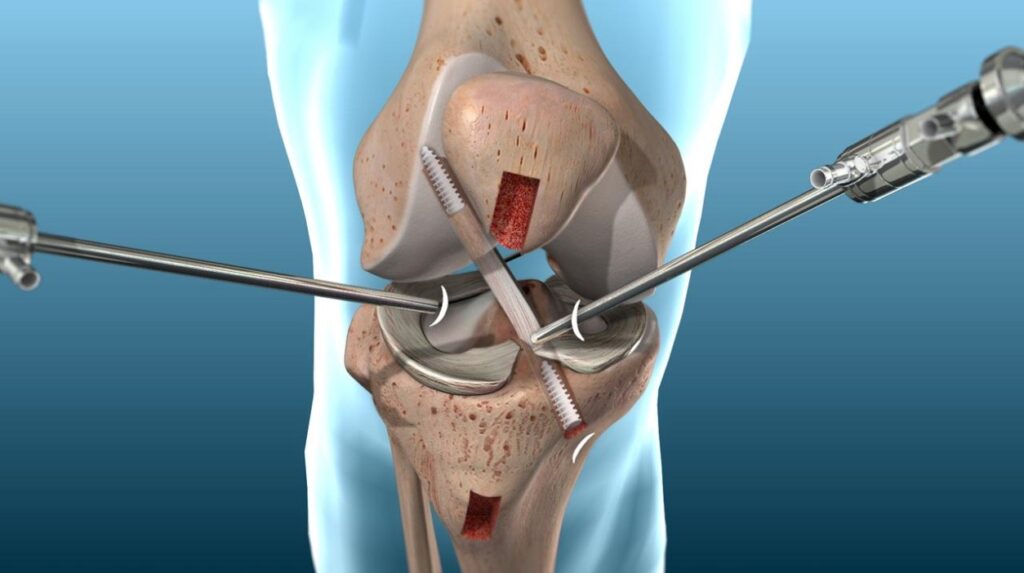
ACL Reconstruction is a surgical procedure that repairs or replaces a torn anterior cruciate ligament in the knee. While it is separate from Total Hip Replacement Surgery, both procedures are part of orthopedic care focused on restoring mobility.
ACL injuries often occur during sports activities, sudden movements, or accidents. Symptoms include knee instability, swelling, and difficulty walking.
Patients from regions such as Camarines Sur often seek ACL treatment to return to active routines. Similar to Total Hip Replacement Surgery, rehabilitation plays a major role in recovery and long-term function.
Meet the Orthopedic Surgeon
Dr. Lawrence Lao is an experienced specialist in orthopedic care with 16 years of medical practice.
His training includes Orthopedic Traumatology at East Avenue Medical Center, Hip and Knee Advanced Reconstruction training in Taiwan, and Sports Surgery and Arthroscopy training in Thailand.
His clinical focus includes conditions that may require Total Hip Replacement Surgery, as well as other reconstructive procedures for hip, knee, and shoulder joints. His approach centers on restoring mobility and improving daily function for patients with musculoskeletal conditions.
Why Patients in Bicol Seek Total Hip Replacement Surgery
Many patients in Bicol seek Total Hip Replacement Surgery due to increasing cases of arthritis, aging-related joint degeneration, and injury-related hip damage.
Active individuals and working adults may also develop hip conditions due to repetitive strain or previous injuries that were not fully treated.
Access to specialized orthopedic care has improved in the region, allowing patients from Camarines Sur and nearby provinces to receive evaluation and treatment without traveling far from home.
Total Hip Replacement Surgery has become a reliable option for patients who want to regain mobility and reduce long-term pain.
Lao Orthopedic Services in Bicol
Lao Orthopedic Clinic provides orthopedic care focused on Hip, Knee, Shoulder, and Sports Surgery, including evaluation for Total Hip Replacement Surgery.
Patients from Naga City, Legazpi City, and surrounding areas are commonly seen for hip pain, arthritis, and joint injuries.
The clinic focuses on accurate diagnosis, individualized treatment planning, and surgical care when needed. Total Hip Replacement Surgery is recommended only after careful assessment and when non-surgical options are no longer effective.
Takeaway
Total Hip Replacement Surgery offers a reliable solution for patients experiencing severe hip pain and reduced mobility. For individuals across Bicol, including Naga City, Legazpi City, and surrounding areas, access to specialized orthopedic care supports better outcomes and improved daily function.
With proper evaluation, surgical care, and rehabilitation, many patients regain comfort in movement and return to more active lifestyles after Total Hip Replacement Surgery under the care of Lao Orthopedic Services.
Frequently Asked Questions about Total Hip Replacement Surgery
What conditions may require Total Hip Replacement Surgery?
Conditions such as severe osteoarthritis, avascular necrosis, hip fractures, and long-term joint degeneration may lead to Total Hip Replacement Surgery.
How long does Total Hip Replacement Surgery take?
The procedure usually takes a few hours depending on the complexity of the joint damage and patient condition.
Is Total Hip Replacement Surgery safe for older adults?
Yes. Many older adults undergo Total Hip Replacement Surgery safely after proper medical evaluation and preparation.
How soon can a patient walk after Total Hip Replacement Surgery?
Many patients begin assisted walking within a short period after surgery under medical supervision.
How long is the recovery period after Total Hip Replacement Surgery?
Recovery varies, but improvement is often seen within weeks, with continued healing over several months.
Does Total Hip Replacement Surgery last for many years?
Modern implants used in Total Hip Replacement Surgery are designed for long-term durability, depending on activity level and health condition.